Your stories
19.02.2026
 Back to home page
 Back to home page
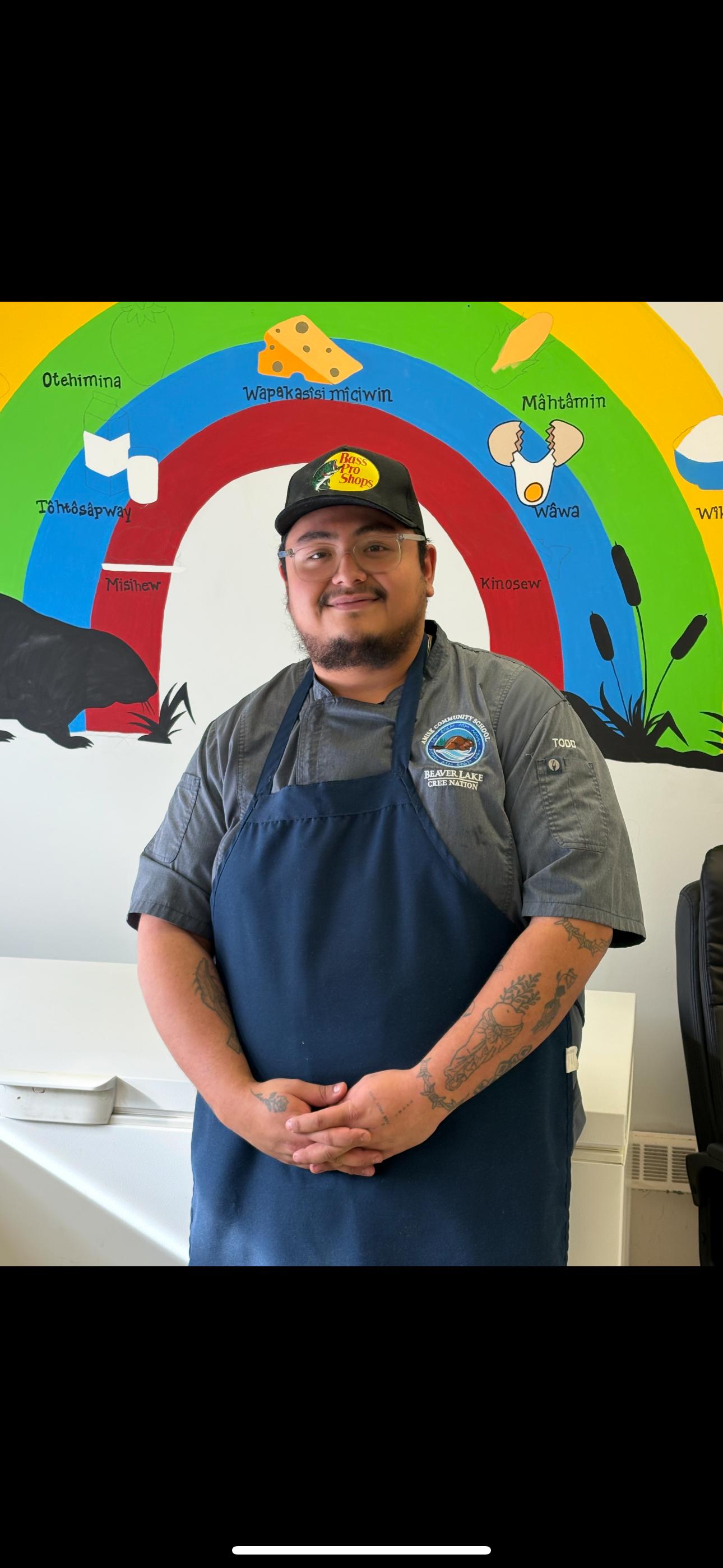
What happens when a school nutrition program shifts from convenience to care? At Amisk Community School in Beaver Lake Cree Nation, the answer is simple: students show up excited to eat, try new foods, and start their day nourished and ready to learn.
Led by a school chef and culinary educator, Todd Cardinal, the program has been reimagined with a clear focus—balanced nutrition, appealing meals, and meaningful engagement with students. The approach offers practical, adaptable solutions that can inspire breakfast programs from coast to coast to coast. So, what are the key ingredients?
Todd shared that one of the most effective changes made to the breakfast and school meal programs has been replacing highly processed foods with homemade alternatives. Instead of relying on prepackaged meals and sugary snacks, the program now emphasizes:
Even small adjustments Todd implemented, like flavouring oatmeal before serving instead of offering sugary toppings, can help guide healthier choices without sacrificing taste.
Rather than removing student favourites, the program reworks them a little bit:
This “familiar but improved” approach ensures students feel comfortable while gradually experiencing healthier versions of the foods they enjoy.
A key lesson: students are more open to trying new foods when they feel heard and involved. Some success strategies implemented in Amisk Community School include:
Trust doesn’t happen overnight, but consistency and connection make a lasting difference.
Teachers and school staff play a powerful role in shaping student behaviour. Encouraging students to “try one bite” has proven to be a simple but effective strategy that staff can play a role in. When staff reinforce positive messaging around food:
This collaborative approach strengthens the entire school food environment but it takes a collective effort.
Expanding student palates doesn’t require dramatic changes. Instead, it’s about gradual exposure. The successes Todd has seen is largely due to ongoing efforts over time:
The key is persistence. Over time, students become more adventurous and open to new experiences.
The impact of this work reaches far beyond the plate. Through Todd’s leadership and persistence, students are not only nourished, they’re more excited to come to school, more engaged in conversations about food with peers and family, and more open to building positive relationships with healthy eating. Families are noticing the difference too, especially during community meals where trying new foods becomes a shared experience.
Todd’s approach is a powerful reminder that meaningful change doesn’t require a full program overhaul. By focusing on small, manageable improvements, prioritizing relationships alongside food, and continuing to try, even when things don’t go as planned, breakfast programs can create lasting impact. More than a meal, these programs have the power to shape habits, strengthen community, and bring joy to the start of each school day.